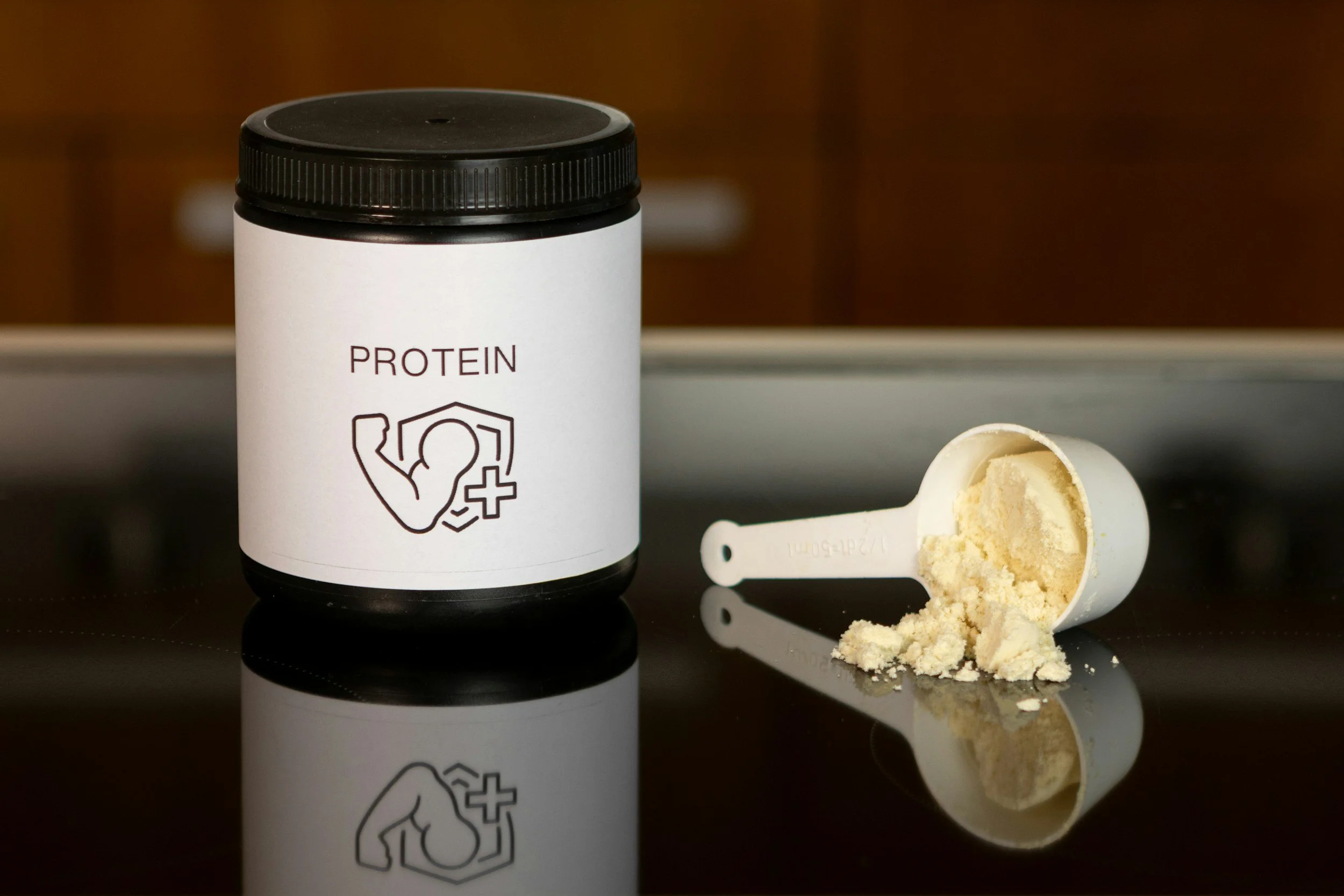
Is Your High-Protein Diet Hurting Your Gut? A CNS Explains
My friend sent me a picture the other day of the cereal aisle in the grocery store. It was a wall of familiar favorites absolutely plastered with new “high protein” labels. We just can’t escape this high-protein craze. The marketers know this, the grocery stores know this, and the makers of Pop Tarts know this. I have to be honest, I’m even tired of saying the word “protein”!
As a nutritionist I will tell you that protein can make you feel satisfied, help build muscle, or support your personal goals. But I will also tell you that the room-clearing gas from high-protein everything is a real life consequence. What we aren’t talking about with this new phase of our lives is how and why all of this protein is leaving us gassy, bloated, and–dare I say it–sharty. I’m also going to be honest, I’m not sure I’m supposed to use real brand names in this blog so… Let’s talk about how to comfortably maintain the right protein intake for your needs while supporting gut health.
As a nutritionist specializing in gut health, and also just a human being existing in the world and dealing with guys at the gym passing gas (true story), I see this pattern in my practice all the time. The good news: protein itself is rarely the villain. The problem is usually how a high-protein diet gets built, and what is sneaking in there that disrupts your microbiome, wreaks havoc on digestion, and causes that dreaded bloaty un-button the pants on the drive home from work feeling.
In this post, I'll walk you through five ways a high-protein diet can trigger GI issues, the signs to watch for, and exactly how to eat high-protein without wrecking your gut. Because I see you out there, working towards your goals with a dream in your heart and a protein shake in hand. I see you.
Why High-Protein Diets Have Taken Over Every Grocery Store Aisle (Including the Produce Section)
Protein is having a moment, and for good reason. It keeps you full longer, supports muscle as you age, and helps stabilize blood sugar.
Walk down any grocery aisle and you'll find protein chips, protein cereal, protein coffee, and protein bars stacked to the ceiling. I’ve even seen those bagged salads (remember the ones that caused diarrhea last summer??) now with more protein. Social media is full of advice to hit 30 grams at every meal. By the way, that number is based on old research about the maximum amount of protein we can digest per meal. Your individual results actually vary quite significantly, and the number can be higher (no, I’m not saying you need more per meal necessarily, 30g is still a great goal).
There's also a newer driver: GLP-1 medications. People taking these medications are often encouraged to prioritize protein to help preserve lean muscle while losing weight. Which, yas, we are all for that!
5 Ways Your High-Protein Diet May Be Causing GI Issues
1. You're Crowding Out Fiber
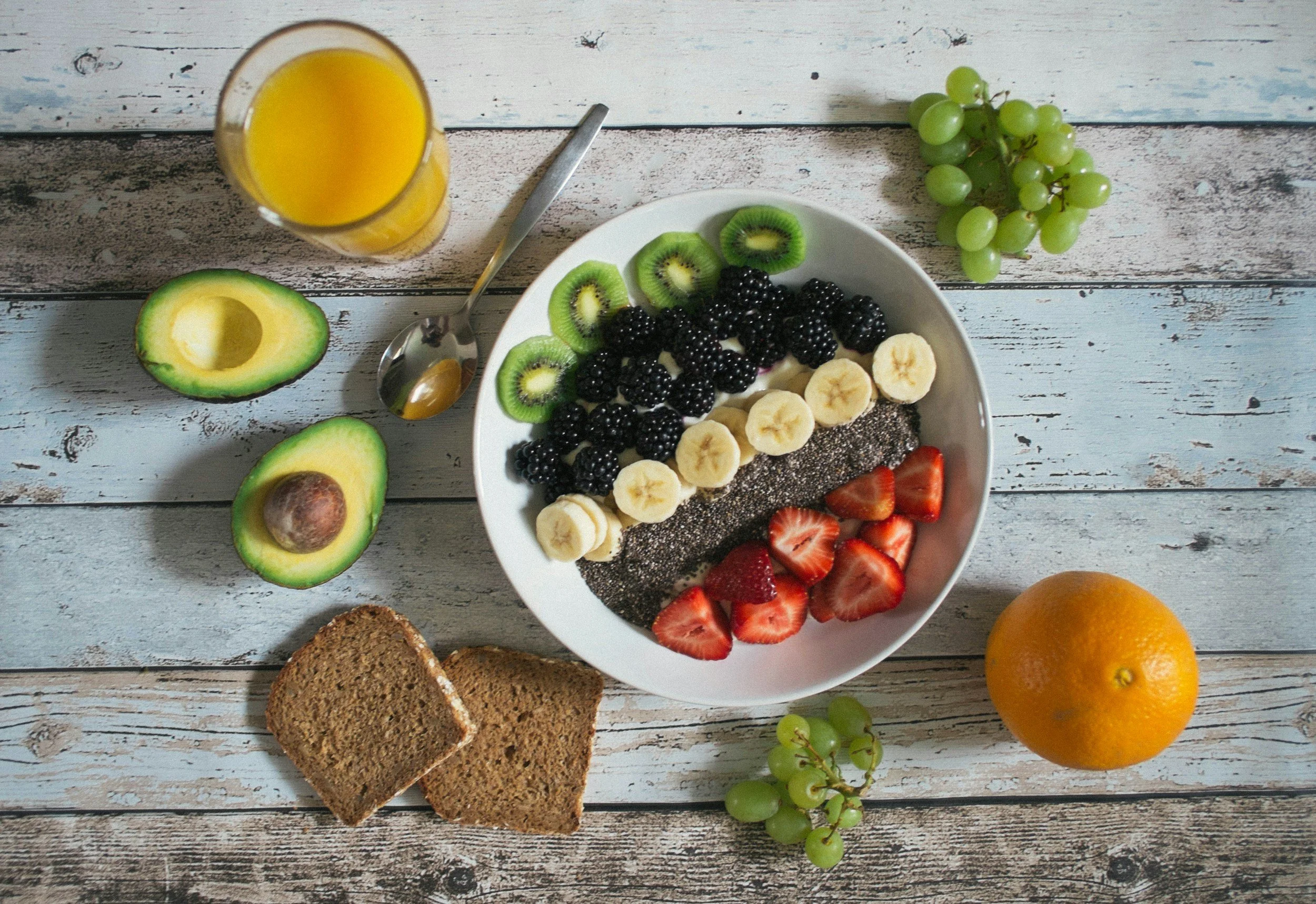
When protein takes over your plate, something has to give. Usually, it's fiber-rich foods like vegetables, fruit, whole grains, beans, nuts, and seeds.
That matters for two reasons. First, fiber adds bulk and water to stool, so less fiber often means constipation. Like, pooping every 3rd day constipated. Second, fiber is the main food source for many of your beneficial gut bacteria. When they ferment fiber, they produce short-chain fatty acids like butyrate, which help nourish the cells lining your colon and support a healthy gut barrier [Fun Read Science Info]. A healthy gut barrier = better immunity, more food tolerance, a happier body and a happier brain!
Most adults already fall short of fiber recommendations. A protein-first approach that pushes out plants can widen that gap fast. And hey, pro tip: fiber-rich beans, tofu, tempeh, nuts and seeds also contain protein! Yes, they count.

2. Undigested Protein Is Fermenting in Your Colon
Most protein is digested and absorbed in your small intestine. But when you eat large amounts, especially in one sitting, some of it can reach your colon undigested.
There, certain gut bacteria break it down through a process called protein fermentation. Unlike fiber fermentation, this produces byproducts such as ammonia, hydrogen sulfide, and phenolic compounds. [Fun Read Science Info]
Hydrogen sulfide is the gas responsible for that rotten-egg smell. If your gas has become noticeably more pungent since going high-protein, this is a likely reason. If you’ve lost a significant amount of friends since going high-protein, this is why. Or maybe they were tired of hearing about your diet?
Research suggests that a diet high in protein and low in fiber may shift the balance of your gut microbiome toward protein-fermenting bacteria and away from fiber-loving ones. [Fun Read Science Info] The combination seems to matter more than protein alone.
3. Your Protein Products Are Full of FODMAPs and Sugar Alcohols
This is one of the most common culprits I see in clients. Many protein bars, cookies, and snacks rely on ingredients that are notorious for causing gas and bloating:
Inulin or chicory root fiber, a fermentable fiber (a FODMAP) added to boost fiber content
Sugar alcohols like sorbitol, maltitol, and xylitol, which pull water into the gut and ferment in the colon
Added fibers, emulsifiers, and gums that can be hard for sensitive guts to tolerate
If you have IBS or a sensitive gut, these ingredients can trigger bloating, cramping, gas, and loose stools, sometimes within an hour or two of eating. Your "healthy" afternoon protein bar could be doing more harm than good.

4. Lactose in Your Whey Protein
Whey protein concentrate contains some lactose, the natural sugar in milk. If you're lactose intolerant, even a scoop or two a day can mean bloating, gas, and diarrhea.
Whey protein isolate is processed to remove most of the lactose, which makes it a better option for many people. Plant-based powders are another choice, though some pea and soy proteins can bother sensitive guts too. A lot of products on the market these days are adding in these protein sources so they can label their products in a way to excite the little shopper in you. If you’re feeling the effects of this, it’s a good idea to focus on more whole-foods protein sources like poultry, lean meats, and the aforementioned veg sources of fiber and protein.
5. You're Not Drinking Enough Water
Your body needs more fluid to process higher amounts of protein. Combine that with less fiber, and constipation becomes much more likely.
Many people increase their protein without adjusting their water intake at all. This one is an easy fix. Watermaxxing anyone? No wait, don’t do that. Drink enough without overdoing it!
Signs Your Protein Intake Is Affecting Your Gut
Your gut often gives you clues. Watch for these, especially if they started after you changed how you eat:
Bloating that builds throughout the day
More frequent or foul-smelling gas
Constipation, or harder, less frequent stools
Loose stools or urgency after protein shakes or bars
Cramping or discomfort after high-protein snacks
When to see a doctor: Some symptoms are not diet-related and need medical attention. See your healthcare provider promptly if you notice blood in your stool, unintended weight loss, persistent abdominal pain, trouble swallowing, vomiting, or symptoms that wake you up at night asking AI if you are in trouble.
High Protein on GLP-1 Medications: A Special Note
If you're taking a GLP-1 medication like semaglutide or tirzepatide, your gut is already working under different conditions. These medications slow how quickly food leaves your stomach, and nausea, fullness, and constipation are common side effects.
Now add a push to eat more protein, often through shakes and bars, while your appetite for vegetables and fiber is lower than ever. It's easy to see how GI symptoms can pile up.
A few gentle strategies can help:
Spread protein across smaller meals instead of forcing large portions
Choose easy-to-digest sources like eggs, fish, Greek yogurt (or lactose-free), and tofu
Pair protein with a small portion of cooked vegetables or fruit
Sip fluids steadily throughout the day
Check protein products for sugar alcohols and inulin
Always talk with your prescribing physician about persistent GI side effects. A nutritionst (hi!) who works alongside your medical team can help you meet protein needs without the discomfort.
How to Eat High-Protein Without Wrecking Your Gut
You don't have to choose between your protein goals and a happy gut. These seven habits make the biggest difference:
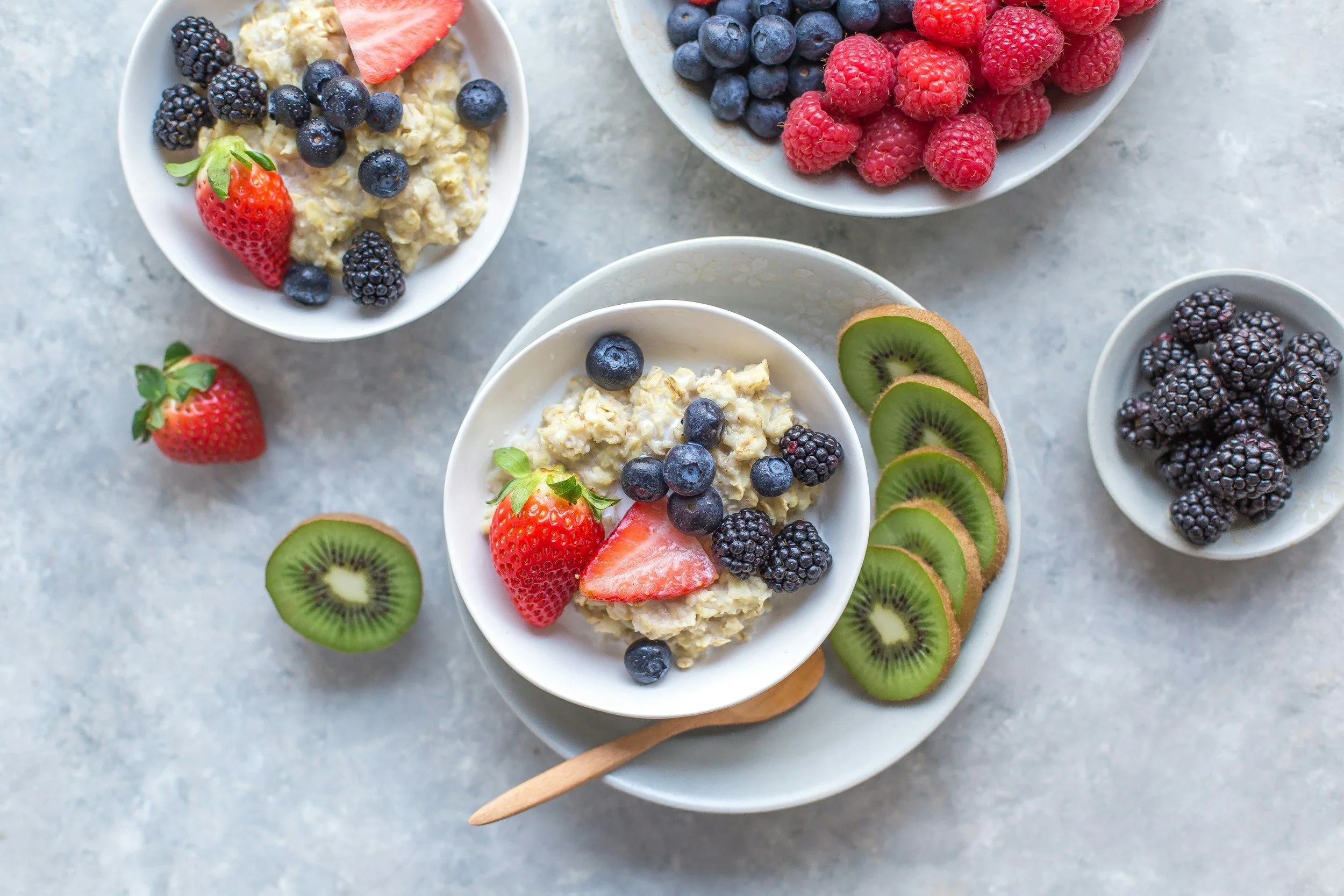
Pair every protein with a plant. Add vegetables, fruit, whole grains, or legumes to each meal so fiber keeps pace with protein.
Spread protein across the day. Moderate portions at each meal are easier to digest than one massive serving.
Read your labels. Look for sugar alcohols (ingredients ending in "-itol") and inulin or chicory root, and test how you feel without them.
Choose your powder wisely. Try whey isolate if lactose bothers you, or a plant protein that's tested low-FODMAP.
Rotate your protein sources. Mix fish, eggs, poultry, tofu, tempeh, and legumes as tolerated, rather than relying on processed meats or bars.
Feed your microbes. Include a variety of plants and fermented foods like yogurt, kefir, or sauerkraut if they agree with you.
Increase fluids with protein. Keep water nearby and drink consistently throughout the day.
Make one or two changes at a time and track how you feel. That way, you'll know what's actually helping.
When It's More Than Your Protein
Sometimes, adjusting your protein habits clears things up within a couple of weeks. Other times, symptoms stick around, and that's an important message from your gut just trying to get your attention.
Persistent bloating, gas, or changes in bowel habits can point to an underlying condition like irritable bowel syndrome (IBS), small intestinal bacterial overgrowth (SIBO), celiac disease, or a food intolerance. These need proper evaluation, not guesswork or endless elimination.
That’s where I come in, a gut-health nutritionist that can help you identify your specific triggers, use evidence-based approaches like the low-FODMAP diet when appropriate, and coordinate with your GI physician so your care is connected.

Frequently Asked Questions
Can too much protein cause bloating?
Yes, indirectly. Bloating on a high-protein diet usually comes from low fiber, protein fermentation in the colon, or ingredients in protein products like sugar alcohols, inulin, and lactose.
Why does protein powder give me gas?
Protein powder can cause gas if it contains lactose (common in whey concentrate), sugar alcohols, or added fibers like inulin. Switching to whey isolate or a low-FODMAP plant protein often helps.
Can a high-protein diet cause constipation? Diarrhea?
Yes. High-protein diets often lower fiber intake and raise fluid needs. Together, those changes make constipation more likely. Adding plants and water usually helps. For diarrhea, it can overwhelm digestion capacity, or promote inflammation that leads to more IBS-type symptoms.
Is plant protein easier to digest than animal protein?
It depends on the person and the source. Plant proteins come with fiber, which supports gut bacteria, but beans and some pea or soy products are high in FODMAPs and can trigger symptoms in sensitive people.
How much protein is too much for gut health?
There's no single cutoff for gut symptoms. The rather outdated general recommendation for adults is 0.8 grams per kilogram of body weight, and many active adults benefit from more. What matters most for your gut is how that protein is distributed and what it's paired with.
The Bottom Line
Protein is an important part of a healthy diet, and you don't need to fear it. But a high-protein diet built on shakes, bars, and meat while plants fall off the plate can leave your gut bloated, backed up, and unhappy. It also makes your wallet sad because I still think this is partly a big marketing grab!
The fix isn't less protein. It's smarter protein: real whole foods paired with fiber, spread through the day, chosen with your gut in mind, and backed by plenty of water.
Ready to feel better? If you're dealing with ongoing bloating, gas, or irregularity, book a consultation and let's find your triggers together.
This article is for educational and entertainment purposes and is not a substitute for individualized medical advice.

Lisa Ackerman, DCN(c), MS, CNS, is a Certified Nutrition Specialist and Washington Certified Nutritionist specializing in gut health. She helps clients with bloating, IBS, and other complex GI concerns using evidence-based approaches alongside gentle nutrition and lifestyle modifications and root-cause finding. Her other passions include nutrition for mental health and metabolic health, but most importantly, snacks for everyone. And comfy pants.