The Complete Traveler's Gut Survival Guide: Tips from a Gut Health Nutritionist + Fellow Constipated Traveler
To all of my fellow travelers out there who love to explore new destinations but absolutely hate being away from the comfort of their preferred bathroom, this one is for you. Travel constipation, diarrhea, bloating, and general digestive discomfort are all fairly common but they don’t have to be. Today we’re going to break down why this happens and what you can do to keep your gut happy while you frolic around new locales, venture into the wilderness, or simply road trip to the next town over for a change of scenery.
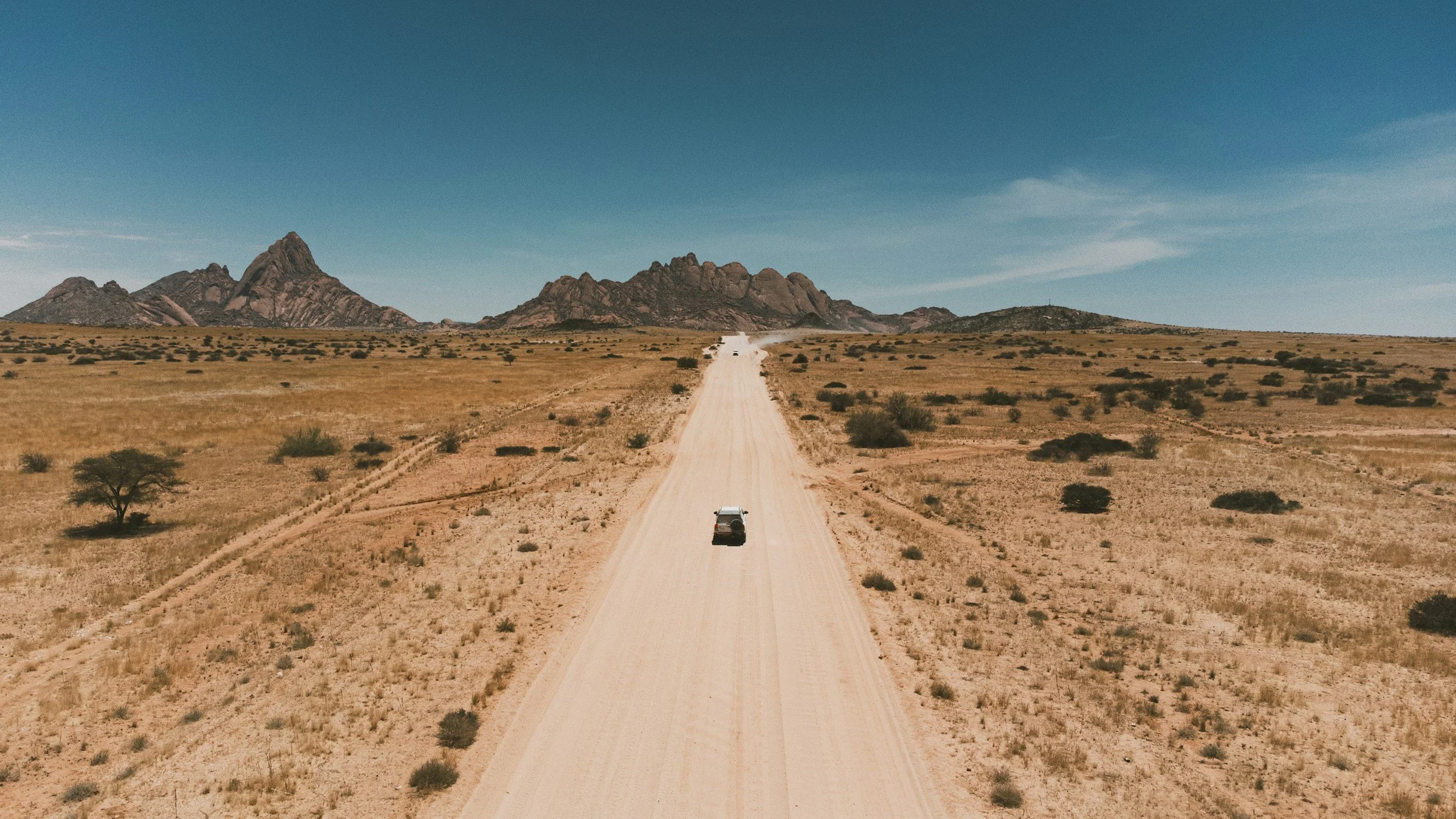
Travel gut health for road trips
What Travel Does to Your Gut
Time zone changes and our internal clocks
Your gut runs on an internal clock that sends signals to move food and waste through you (cool right?). Digestion is stronger during daylight hours when we are typically eating regular meals and then it quiets down overnight to let the other cleaning crews come in. Ok, so now picture traveling across multiple time zones. Motility is going to shift drastically, making your stomach kinda as jet lagged as you are. You know that feeling when you finally fall asleep on a long flight only to get woken up by someone bringing around meals and snacks? That affects your gut as much as it affects your mood.
Dehydration (flights, altitude, less water intake)
Have you ever been to a desert? If you’ve flown before, you kinda have. Cabin humidity drops on a long flight, leaving your skin parched and your gut parched too. Your gut lining loves a good moist environment, something akin to a slip and slide and not a dry one either. Perhaps you don’t drink as much water because airport water tastes gross, or because you hate airplane bathrooms, or just because it’s harder to do so while traveling. All of it affects the slip and slide that is your gut. Also, shout out to anyone who pulls out face masks and self care tools on long flights. I see you and I envy you and I love you.
Unfamiliar foods and food safety concerns (also known as the time I got diarrhea before having to sit on a bus for 4 hours)
My absolute favorite thing to do in a new location is to check out the local grocery store and find new products to try. The awesome thing about traveling is that you get to experience new foods, new restaurants, new cuisines, and unfortunately, new bacteria that might be lurking in all of these fun things. If you have gut issues like IBS, IBD, acid reflux, or SIBO, new foods and bacteria can trigger a sensitive digestive system and leave you fearing for what will happen on a 4 hour long bus drive to the middle of nowhere (true, deeply personal story). I’m not going to leave you hanging, keep reading for how to prevent this!
Stress and the gut-brain axis
Alarm set for a 3am trip to the airport? Kid kicking your seatback despite your evil side eye imploring him to stop? Mom’s pillows and mattress that predate you? Short sleep and the low-key stress that is TSA can affect your gut directly and through the gut-brain axis. Cortisol shifts, motility changes, navigating new environments send signals from your gut to your brain and disrupt normal digestion and bowel movements.
Disrupted movement/exercise routines
Long, sedentary flights but also skipping your normal gym routine for chill vacation time (not always a bad thing!) can also affect your gut motility. Pair this with all of the above factors, and it’s a recipe for travel gut issues. The good news is that usually if you’re exploring a new place, you’re getting movement through walking or touring, and this can greatly help your gut motility.
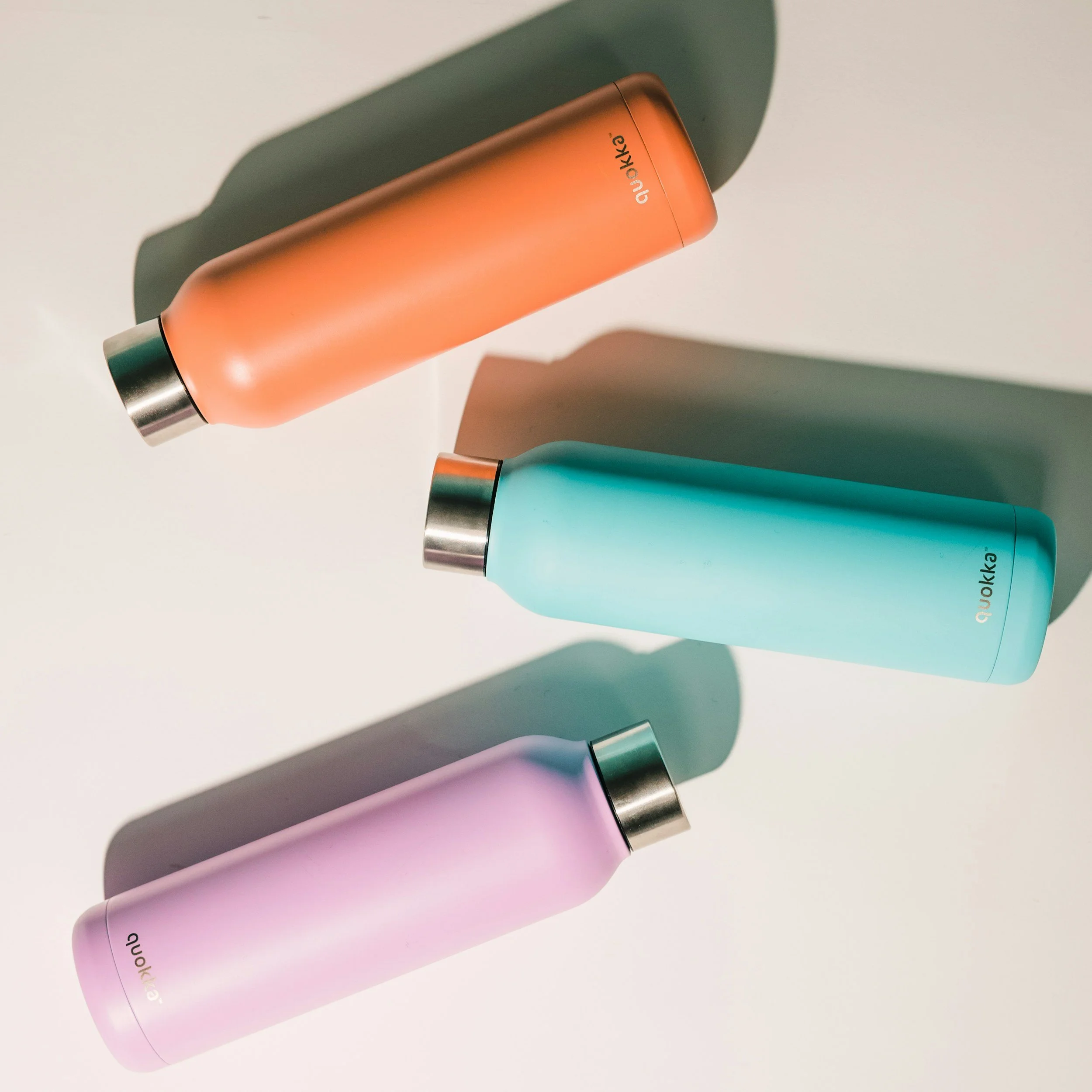
Hydration essentials for travel gut health — water bottle and electrolytes
Common Travel Gut Symptoms (and Why They Happen)
Travel constipation ("vacation constipation")
The combination of dehydration, reduced fiber intake, less movement, and routine disruption is a near-perfect recipe for constipation — one of the most common complaints among travelers. Also, there really is something about pooping in strange locations or in new bathrooms. It’s just not the same, ya know?
Traveler's diarrhea
Often caused by unfamiliar bacteria in food or water, traveler's diarrhea is especially common with international travel, but can also happen with any unfamiliar food source. If you’re eating out a lot it could also happen from poor food handling skills. I have absolutely nothing against holes in the wall or food trucks, but be careful out there.
Bloating and gas
Airplane cabin pressure causes gases in your digestive tract to expand, which is why bloating is so common in flight — separate from anything you've eaten. Add in rich restaurant meals and unfamiliar foods once you land and you can walk around for days hoping no one will notice your little toots.
Before You Travel: Gut Prep Checklist
Prioritize hydration and fiber in the days leading up to your trip — don't wait until you're already dehydrated to address it. Make your emotional support water bottle your best friend. Throw in some electrolytes too for good measure.
Pack gut-friendly snacks (nuts, fruit, whole-grain crackers) so you're not stuck relying only on airport or gas station options. My favorites include things that are satiating and also contain fiber. This helps prevent coming completely unhinged during long layovers. Think trail mix, jerky sticks, dried fruits and veggies, kale chips, and protein bars with at least 5g of fiber.
Talk to your wonderful gut health nutritionist (oh hi there) about probiotics or supplements if you're prone to travel-related GI upset — some people benefit from starting a probiotic a few days before departure. Bonus: this can help your immune system too. If you tend toward constipation to begin with, something like magnesium can also help keep things flowing.
Plan meal timing around your travel day as much as possible, rather than letting it happen by default. Keep things as consistent as possible to reduce going too long between meals.

Gut-friendly and fiber-rich meal to support gut health before leaving for a trip
During Travel: Practical Gut-Health Strategies
Hydrate consistently, not just when you feel thirsty — bring an empty water bottle to fill after security, and set a reminder if needed. My favorite new thing is a water bottle with built -in filter. I just really dislike the stale airport water and absolutely refuse to pay for anything bottled.
Choose smart snacks and meals at airports and rest stops — look for options with protein and fiber rather than defaulting to whatever's fastest.
Be mindful of alcohol and caffeine, both of which are dehydrating and can worsen bloating and irregularity during travel. Guys, I know alcohol can be part of a fun vacation, but it’s also dehydrating and wreaks havoc on your gut. Just a little PSA.
Move when you can — walk during layovers, be the person circling around the airport and slightly raising suspicion, do a few stretches in your seat, or take a short walk at rest stops on a road trip.
At Your Destination: Staying Regular and Comfortable
Navigating Unfamiliar Cuisines
If you're sensitive to FODMAPs or other digestive triggers, scan menus for familiar preparation styles, ask about ingredients when possible, and don't be afraid to request modifications. Check out resources ahead of time like the app Find Me Gluten Free, Monash’s FODMAP app, or Fig (no affiliation to any of these, just tried and true in clinic!). I also recommend bringing along your gut kit with digestive enzymes, ginger for nausea and bloating, and something like Iberogast for any tummy issues.
Water Safety
Within the U.S., tap water is generally safe, but when traveling internationally, stick to bottled or filtered water — including for ice — if you're unsure of local water quality. Also, if you’re traveling into the backcountry, you intrepid traveler you, please just filter your water. I’ve seen some things and just need to trust me on this.
Re-Establishing Routine
As soon as you can, rebuild a rhythm around meals, sleep, and movement. Consistency is one of the most powerful tools for keeping digestion on track, even in a new place. Prioritize sleep if you can! It’s also a great excuse to get away from extended relatives and get some peace and quiet.
When to Seek Care While Traveling
Most travel-related GI symptoms resolve on their own within a few days. Seek medical care if you experience signs of dehydration, a high fever, blood in your stool, or symptoms that don't improve after several days.
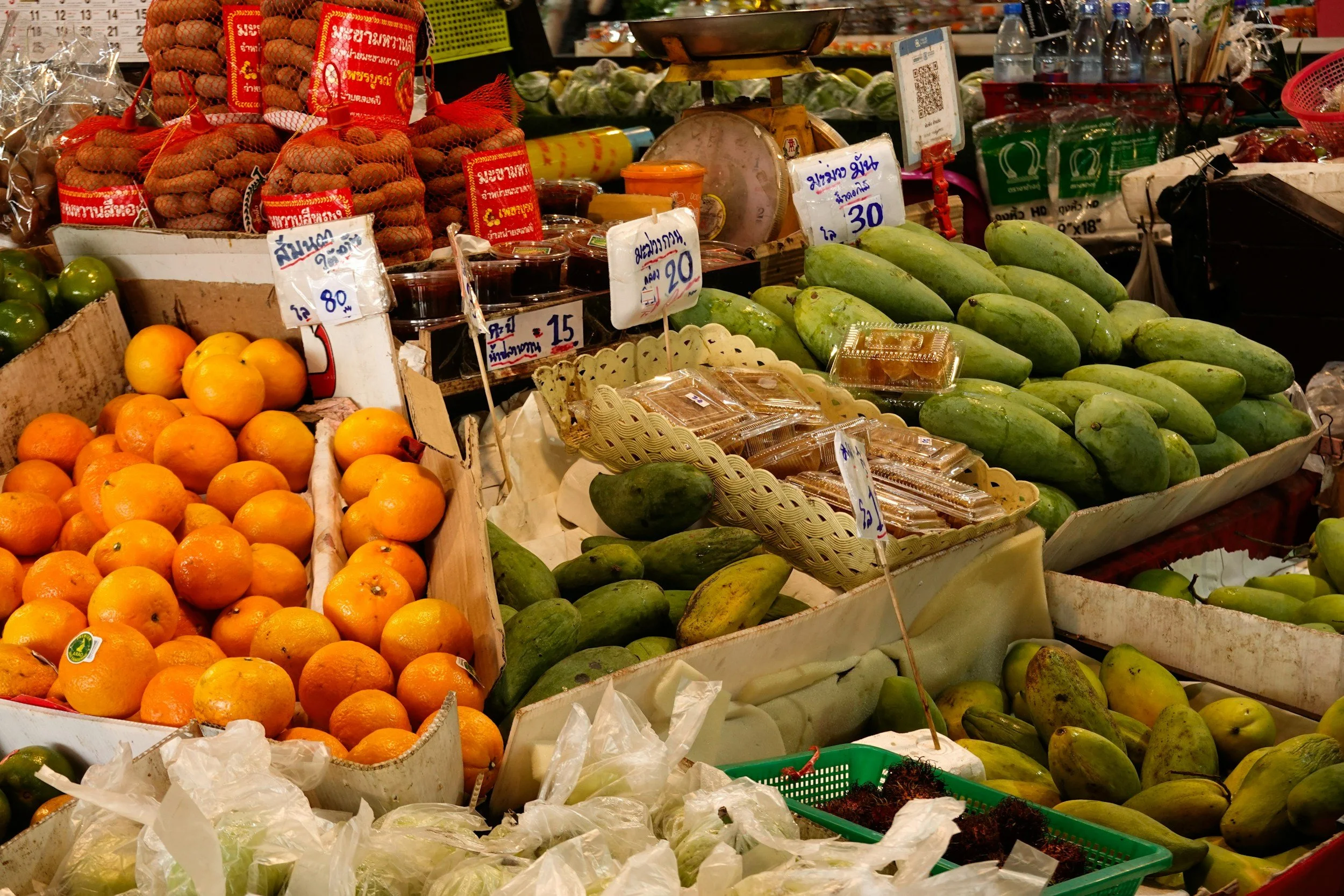
Enjoying new foods safely while traveling is important for travel gut health
Special Considerations for GLP-1 Users While Traveling
Slower gastric emptying means rich, high-fat travel meals and large portions can be harder to tolerate — smaller, more frequent meals tend to sit better. I also like to recommend digestive enzymes.
Hydration matters even more, especially with the combination of altitude, alcohol, and time zone changes.
Medication timing across time zones is worth planning ahead of your trip — a quick conversation with your prescriber before you go can prevent confusion mid-trip.
Quick Reference: Travel Gut Health Checklist
Hydrate consistently before and during travel
Pack gut-friendly snacks
Prioritize protein and fiber at meals on the go
Limit alcohol and caffeine while traveling
Move your body during layovers or rest stops
Choose bottled/filtered water when traveling internationally
Re-establish routine as soon as possible at your destination
GLP-1 users: plan meal size and medication timing in advance
Pack your gut health kit: possibly probiotic (see above), ginger for nausea/gas/bloating, digestive enzymes for rich/unknown foods, and a gut-soothing tincture for tummy troubles
The Bottom (Not a Pun) Line
Travel doesn't have to mean frantically walking around a museum looking for a bathroom, or hoping no one heard your little/big toots. By understanding what's actually disrupting your gut — dehydration, routine changes, stress, and unfamiliar foods — you can take simple, proactive steps to stay comfortable from departure to return.
Need a little extra support before your next trip? I’m here for you, let's make sure your digestion doesn’t derail your plans!